Mumintrollen, Muumi, to ムーミン. The discussion can go on and on whether the Moomin characters are actually Finnish or Swedish. But regardless of nationality, the little white, disproportionate characters with no visible mouth, have grown to be loved by many. Only a few fictional creatures have traveled as far, or touched as many hearts, as the Moomins. From the forest of the snow covered Finland, all the way to the the metropolis of Tokyo where they have been showcased in an art exhibition at Mori Art Museum in Roppongi. Which I had the chance to visit last month. The exhibition “Tove and the Moomins”, “トーベとムーミン” showcased the first sketch, and the development of the now well-known characters.
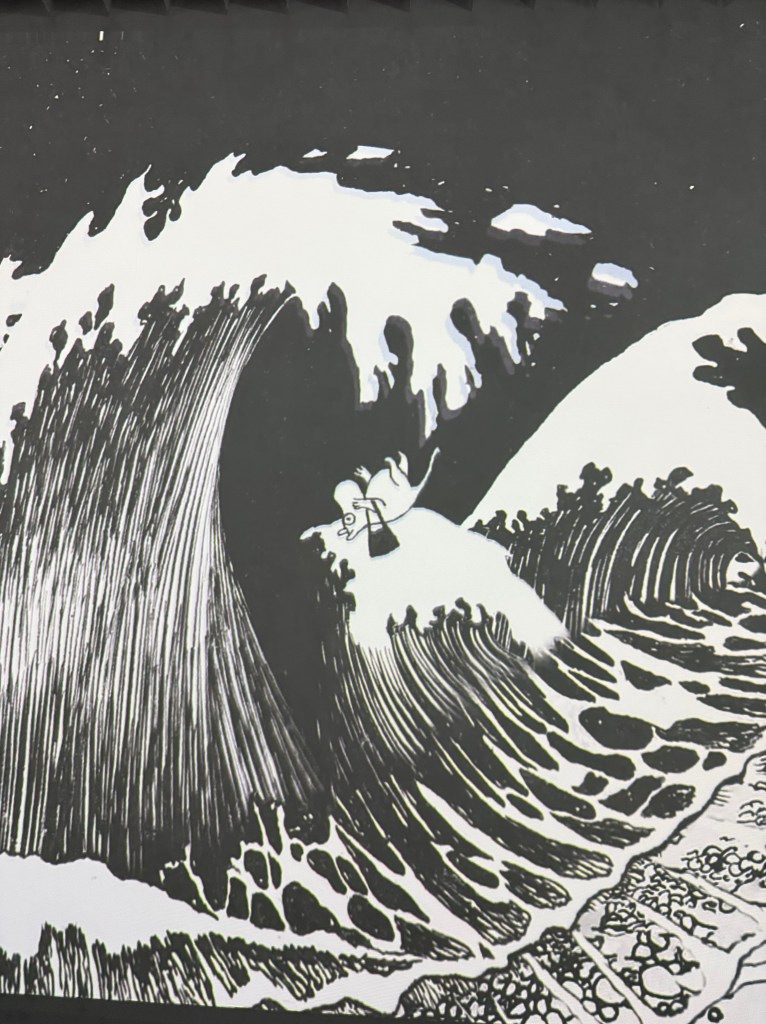
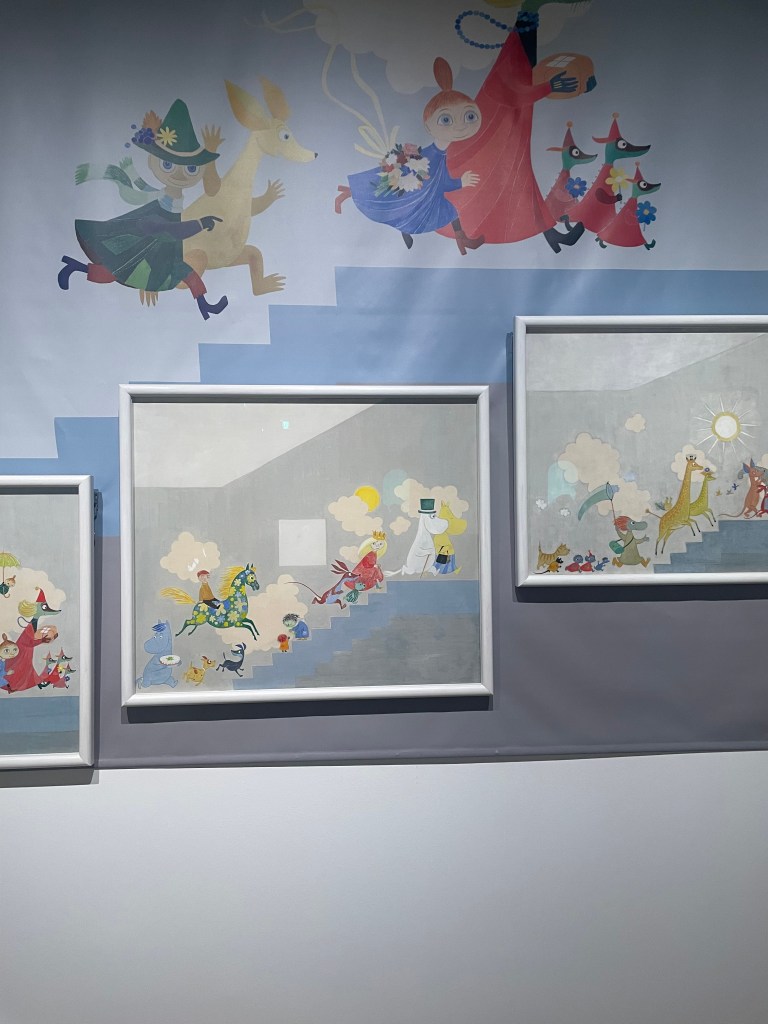
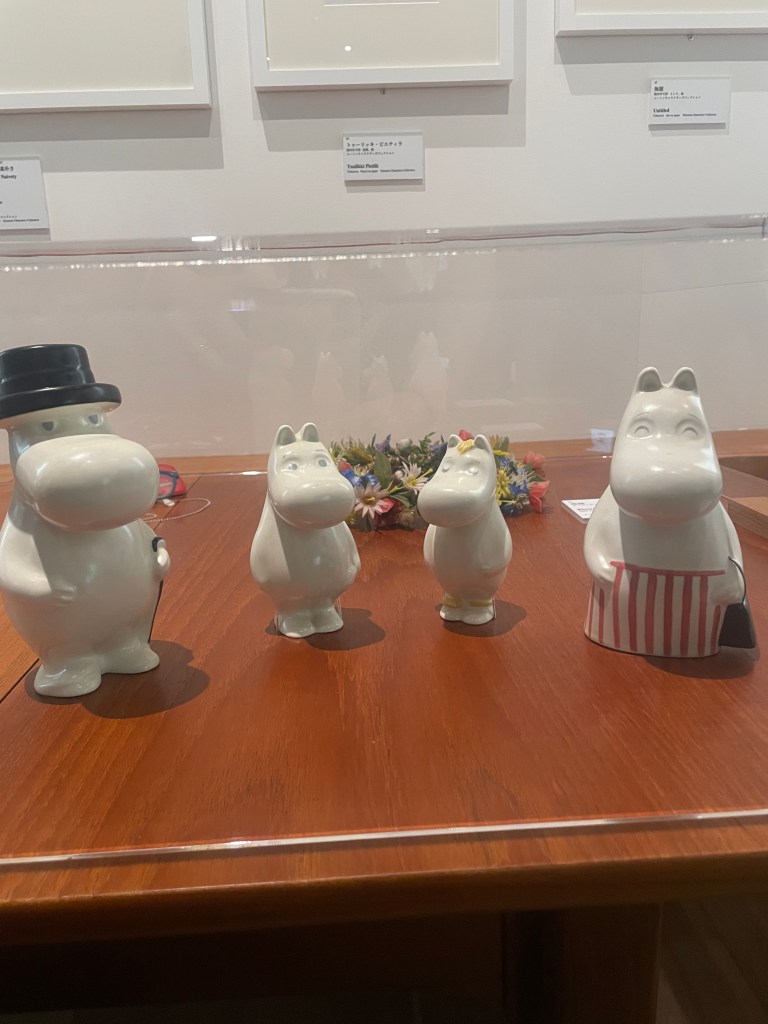
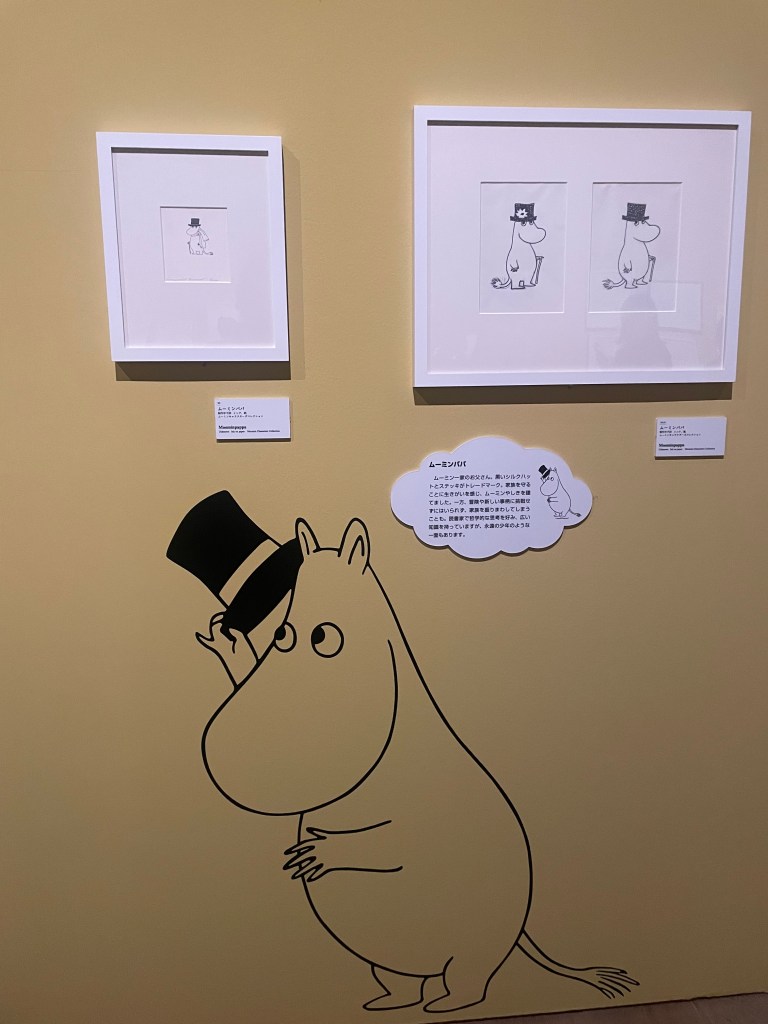
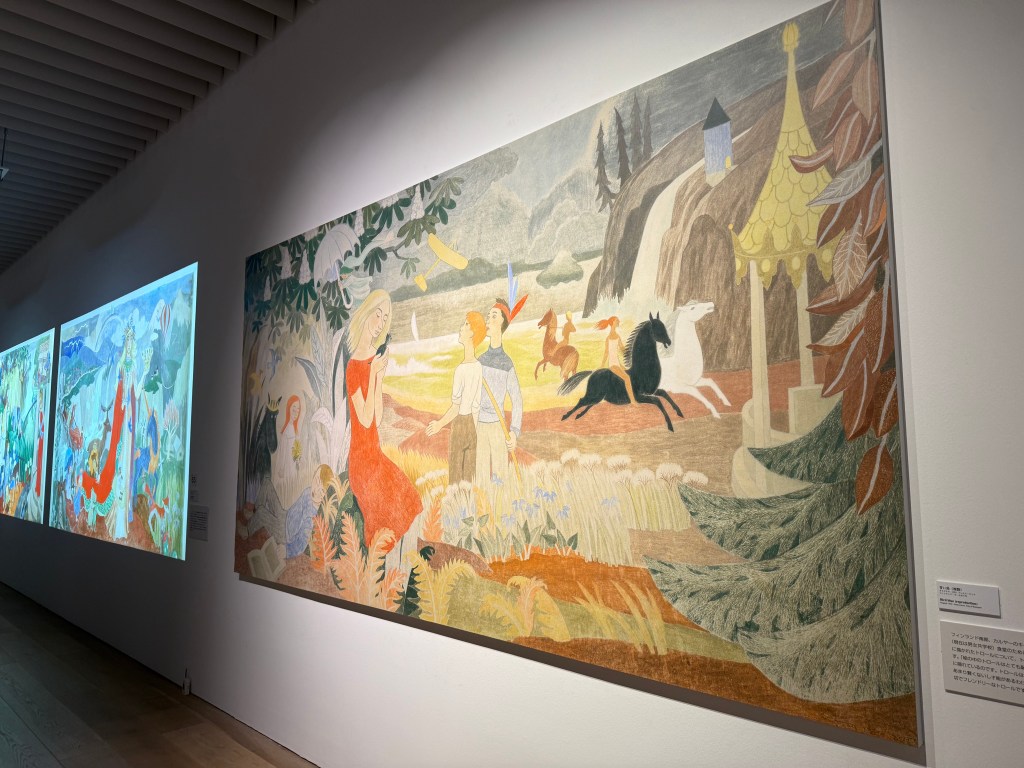
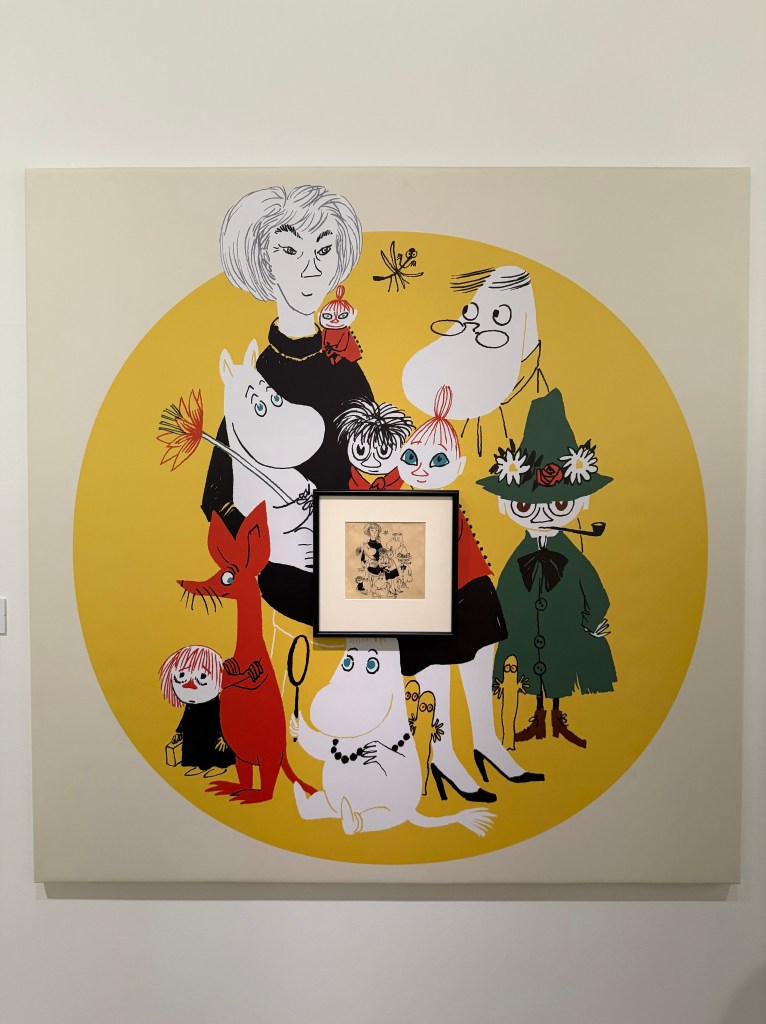
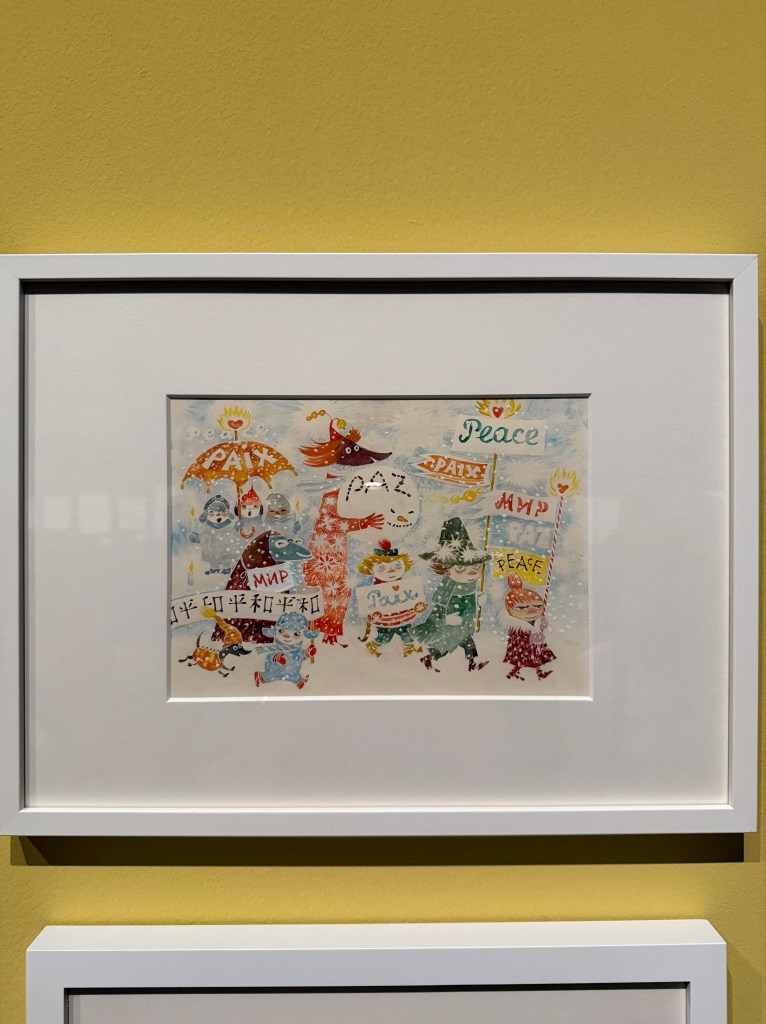
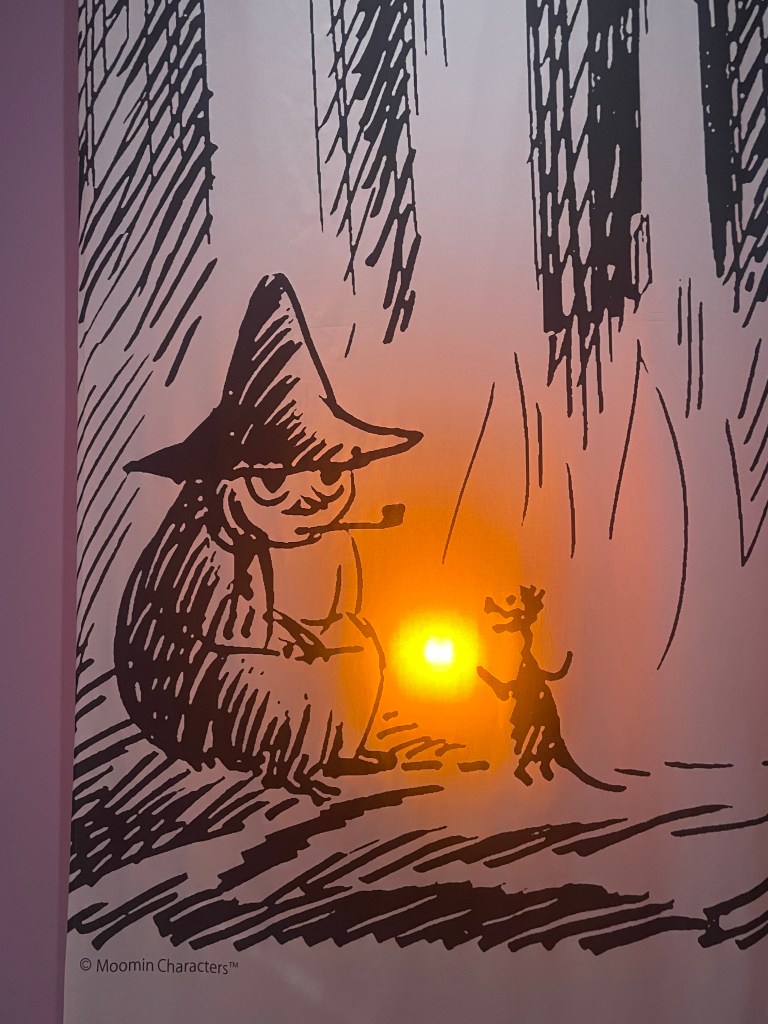
In the Nordic countries, the Moomins are more than just characters in children’s books — they are part of the visual and cultural landscape. Their world has shaped illustration, design, and even architecture. The soft lines, muted palettes, and whimsical storytelling reflect a distinctly Nordic sense of simplicity and depth. Blending playfulness with quiet melancholy in a way that feels unmistakably “Moomin-esque.”
In Japan, however, the Moomins found a second home. The aesthetic of Tove Jansson’s art — minimal yet expressive, filled with nature, introspection, and community — resonated deeply with the Japanese. From manga to modern character design, traces of the Moomin spirit can be found in the gentle strokes of Studio Ghibli’s worlds, or in the delicate sensibility found in modern Japanese art. The Moomins embody a kind of cross-cultural poetry: Nordic forests meeting Japanese gardens, silence blending with storytelling. – Nordic Notes in Japan

 nordic notes in japan
Leave a comment