It´s been a while since I last updated, the winter has been hectic in many ways. I do not know if I will be able to post multiple times per week, but I hope to post at least once a week moving forward. I hope you would like to stick around 🙂
In this post I would like to discuss something that I have found very interesting and enlightening; learning about minority culture in Japan and the similarities to minorities in the Nordic countries. In December I went to Sapporo, Hokkaido in Northern Japan. One of my favorite places in all of Japan, a scenic city with an interesting background. There are also a lot of similarities to the environment I grow up in, which might be a reason I feel so drawn to Hokkaido. One of the most interesting parts of Hokkaido is its history, which is why I would like to share some similarities with Hokkaidos Ainu culture, and Sweden´s Sámi culture, in this post.
Listen to our land: The similarities of Ainu and Sámi culture
Despite being separated by geography, the Ainu of Northern Japan and the Sámi of the Northern Europe, share striking cultural similarities. Both are Indigenous peoples whose presence predates modern nation-states, and both experienced long periods of marginalization as dominant societies expanded into their lands.
A central connection lies in their deep relationship with nature. Ainu belief systems view the natural world as inhabited by spiritual beings, while Sámi culture is deeply shaped by seasonal rhythms and close ties to the land through reindeer herding, fishing, and hunting. In both cultures, nature is something to respect and live alongside, rather than control.
Traditional livelihoods are closely tied to identity. Ainu hunting and fishing practices and Sámi reindeer herding are not just economic activities but cultural foundations, carrying knowledge, values, and spirituality across generations.
Language and oral traditions have also played a vital role. Both Ainu and Sámi languages are distinct from national languages and were historically passed down through storytelling, songs, and ritual. Today, revitalization efforts aim to preserve and reclaim these traditions.
Clothing and craftsmanship further express cultural identity. Ainu attus robes and Sámi gákti, along with traditional crafts, serve as visible symbols of heritage and belonging.
Indigenous Knowledge in a Modern World
Together, the Ainu and Sámi stories highlight shared Indigenous experiences of resilience, cultural survival, and renewed visibility — reminding us that these narratives extend far beyond national borders.
My ending thoughts & reflections
When I first encountered Ainu culture in Japan, what struck me wasn’t just the history, but the quiet presence of it. In museums, through patterns on clothing, or in stories about salmon fishing and seasonal rituals, there was a sense that these traditions were never truly gone — just long unheard. It reminded me of moments I’ve had in the Nordic region, where Sámi culture appears in similarly understated ways: a gákti at a festival, a joik playing softly in the background, or conversations about land that carry far more weight than they first seem.
What stayed with me most was the familiarity of these experiences. Despite the distance between Hokkaido and Sápmi, the emotions felt surprisingly close. The emphasis on respect — for nature, for ancestors, for knowledge passed down rather than written — felt shared. Both cultures seem to ask the same quiet question: What does it mean to live well with the land, rather than simply from it?
Comparing Ainu and Sámi cultures didn’t feel like an academic exercise, but more like recognizing a pattern. Different languages, different landscapes, yet similar values. In a world that often prioritizes speed, extraction, and visibility, these cultures offer something slower and deeper — a reminder that survival can also mean remembering, listening, and caring.
“Everything in nature has a spirit.”
“Without land, there is no Sámi culture.”
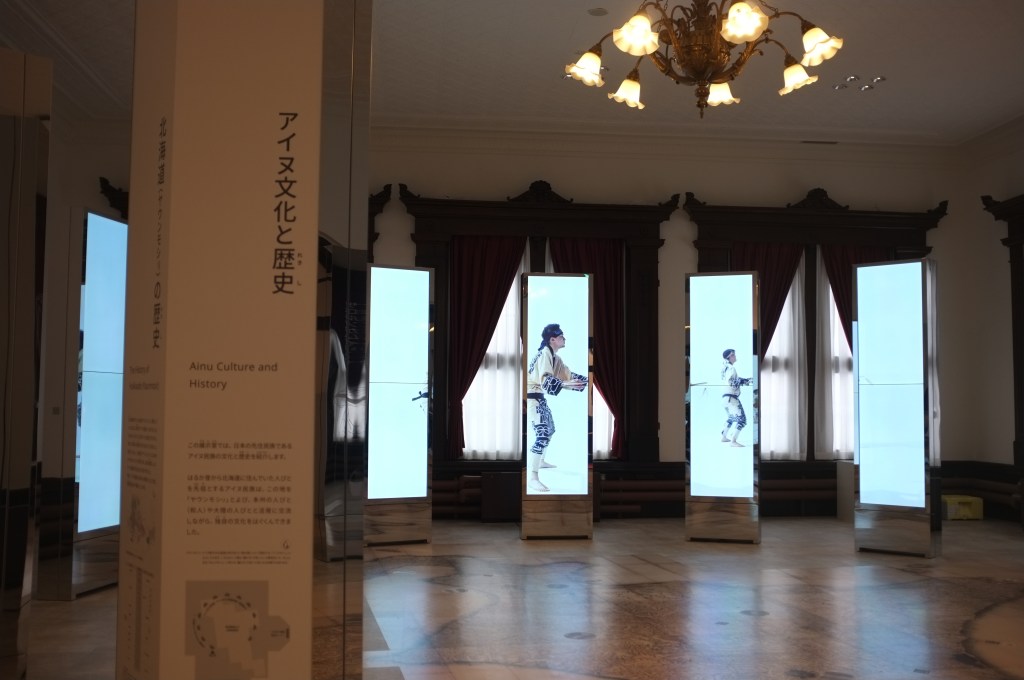
exhibition on Ainu culture in Sapporo 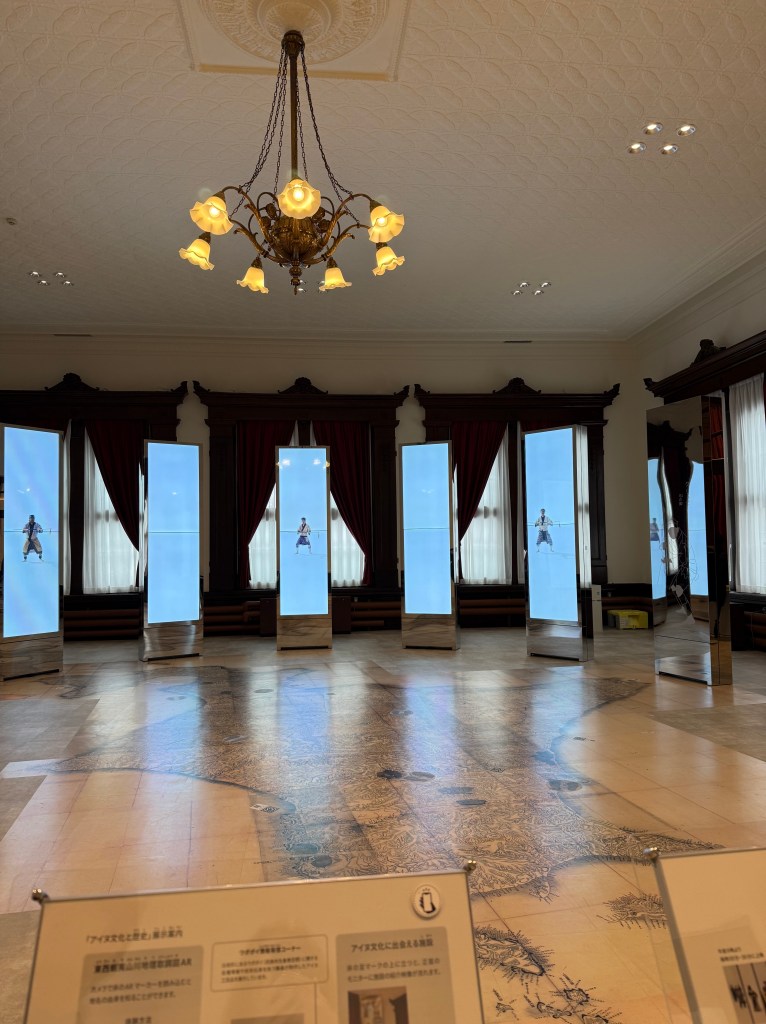
the Ainu exhibition room 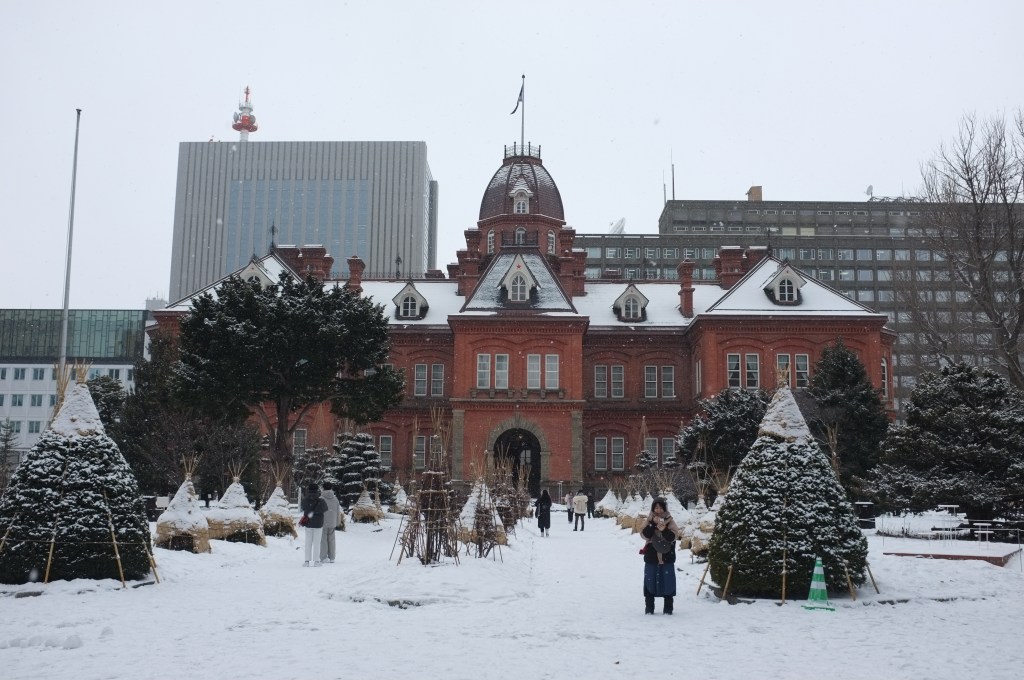
Red brick building in Sapporo 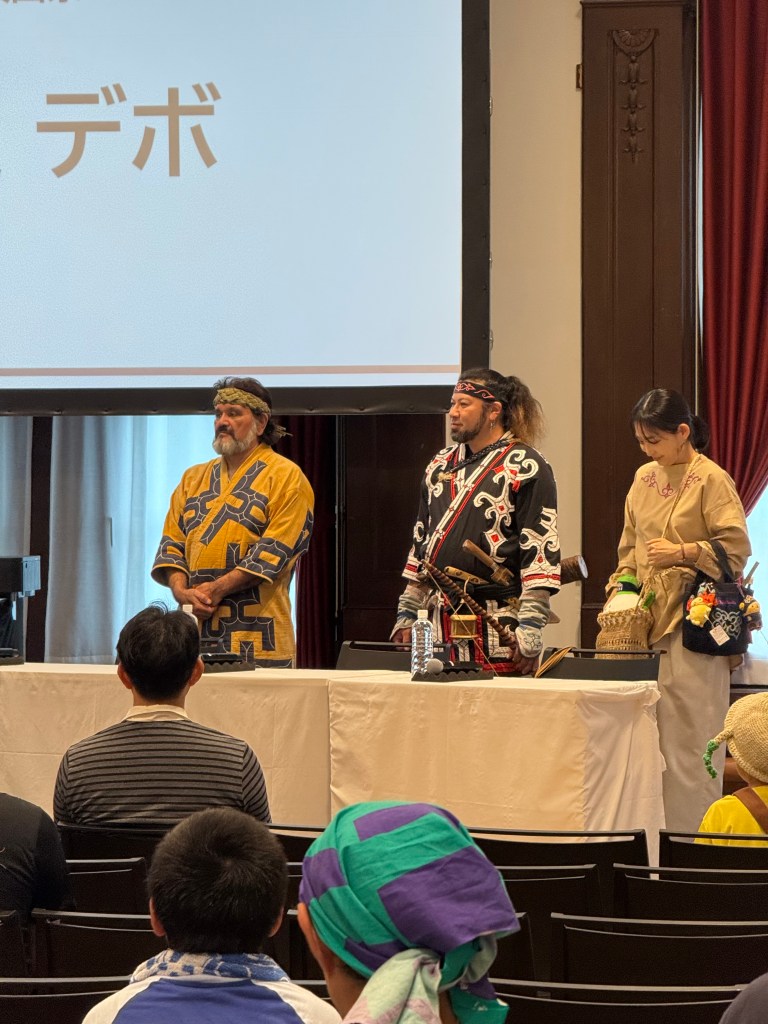
seminar on Ainu culture and influence 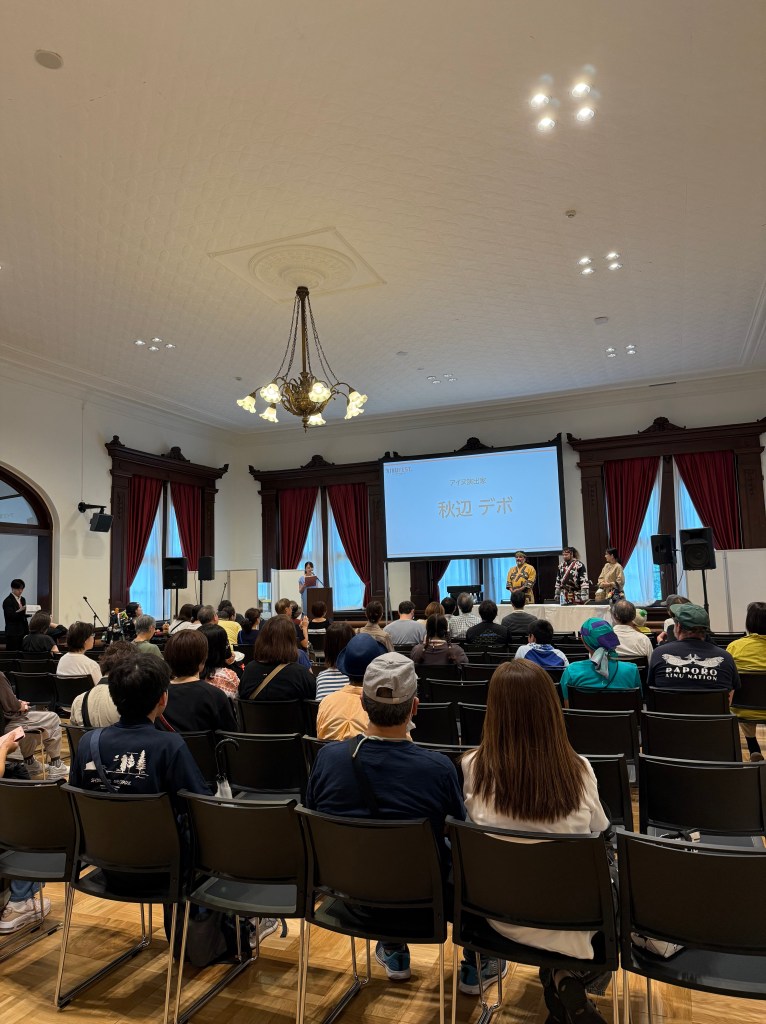
audience participating in the presentation on Ainu culture 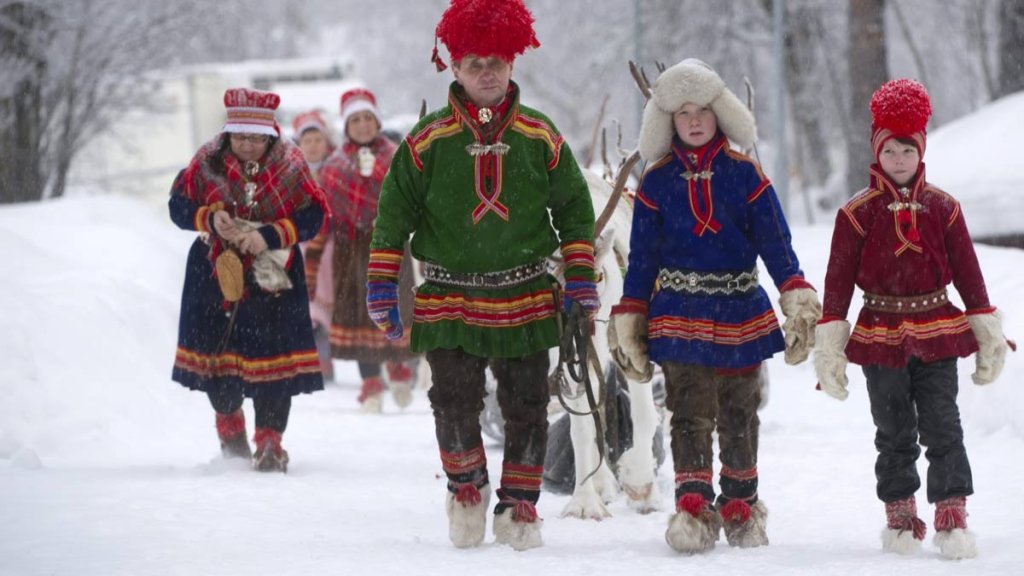
Sámi Sweden – photo by Sveriges Radio 
Reindeer herding is traditionally very important for the Sámi people of Northern Europe – photo by Wikipedia
Upopoy National Ainu Museum and Park. (n.d.). Ainu culture and history.
Ainu Association of Hokkaido. (n.d.). About the Ainu people.
Sámi Parliament (Sámediggi). (n.d.). Sámi culture and society.
Ájtte – Swedish Mountain and Sámi Museum. (n.d.). Sámi history and traditions.
United Nations. (2007). United Nations Declaration on the Rights of Indigenous Peoples.

 nordic notes in japan
Leave a comment